
Cleaning Your Food Production Facility (And Keeping It That Way)
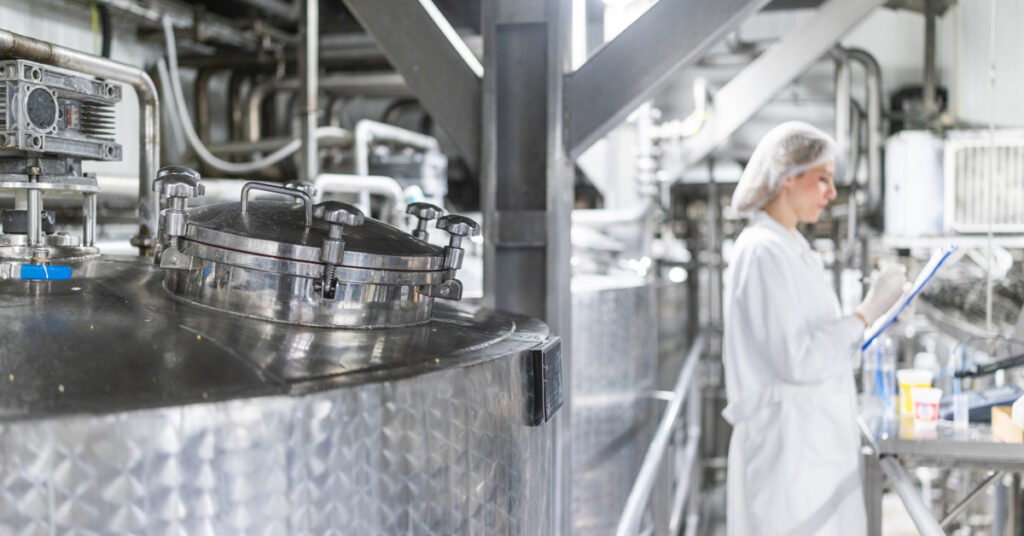
Cleanliness is a core part of food production. It protects product quality, prevents contamination, and keeps equipment running as expected. Yet the CDC still reports about 800 foodborne illness outbreaks in the U.S. each year, many of them preventable with consistent sanitation.
Staying on top of sanitation usually comes down to two priorities:
- Cleaning equipment thoroughly during scheduled cycles
- Keeping the facility clean throughout production without creating unnecessary downtime
Powder processing adds extra cleaning pressure. Dust and residue settle easily, and equipment layouts often leave limited room to work.
Maintaining good hygiene starts with understanding the standards and the areas that need the most attention.
Cleaning Standards in Food Production
Food production facilities follow strict regulations that guide how sanitation is planned and carried out.
FSMA & FDA Requirements
The FDA oversees food safety regulations, and FSMA strengthens this by shifting facilities toward preventive controls.
Under FSMA, plants must maintain sanitation plans, conduct hazard analyses, and verify that cleaning procedures effectively reduce contamination risks.
USDA & HACCP Expectations
The USDA regulates meat, poultry, and egg operations, which must follow HACCP guidelines.
HACCP requires identifying potential hazards, validating control methods, and confirming that sanitation steps meet regulatory expectations on an ongoing basis.
Cleaning, Sanitizing & Disinfecting — What’s the Difference?
Regulatory programs like FSMA and HACCP rely on clear distinctions between different levels of cleaning. Each step plays a specific role in controlling contamination:
- Cleaning removes visible debris and residue. It’s the foundation of any sanitation program.
- Sanitizing reduces microorganisms to safe levels defined by public health standards.
- Disinfecting goes further, eliminating most pathogens, and is typically used for deep or corrective cleaning.
In powder environments, these steps also help control dust, reduce buildup, and support consistent system performance.
Areas That Require Special Attention

Some parts of a facility naturally create more challenges when it comes to maintaining cleanliness.
Equipment Junctions & Connection Points
Traditional hose-clamp connectors can leave small gaps where powder escapes or settles. These points often contribute to dust, residue buildup, and cross-contamination.
Hard-to-Access Surfaces
Corners, joints, and narrow equipment spaces collect residue that routine cleaning can easily miss.
Ventilation & Airflow Systems
The FDA requires ventilation systems to be positioned to avoid contaminating food-contact areas. Improperly placed fans or ducts can move dust or condensation across the facility.
Drains & Waste Zones
Washdown zones must allow water and waste to drain properly. Standing water increases the chance of bacterial growth or contamination.
Effective Cleaning Approaches

Choosing the right cleaning method supports both hygiene and operational efficiency.
Dry Cleaning
Dry cleaning methods — such as vacuuming, brushing, or air purging — help remove residue without adding moisture.
Wet Cleaning
Useful when soils require deeper removal. This method works best when equipment and drainage systems are built for moisture.
CIP (Clean-in-Place)
CIP cleans internal surfaces without the need for disassembly. It provides consistent results and reduces the labor needed for hard-to-reach interior surfaces.
Manual Cleaning
Still essential for exterior equipment and areas not accessible by automated systems. A general best-practice sequence includes:
- Remove visible residue
- Rinse or wipe down surfaces
- Apply cleaning agents as required
- Scrub to remove remaining buildup
- Rinse thoroughly
- Inspect for missed spots
- Sanitize when required
- Allow equipment to dry fully
Cleaning frequency depends on production volume, product type, and regulatory requirements.
How BFM® fittings Improve Facility Hygiene

Even with strong sanitation practices, equipment design has a major impact on how clean a facility stays. Connection points are often where dust escapes and buildup forms.
BFM® fittings help address these issues with features designed specifically for powder systems:
- Dust-tight connections: The snap-in design creates 100% sealed connections, keeping powder inside the system and reducing contamination around equipment.
- Easy-to-clean surfaces: Their smooth internal surfaces limit buildup, and the tool-free design makes it easy to remove and wipe connectors after CIP cycles or during routine inspections.
- Cleaner production areas: Because they stay sealed during operation, far less dust enters the surrounding environment. This reduces cleanup time between cycles and supports more consistent hygiene.
Questions Every Maintenance Manager Should Ask
A few quick questions can help clarify whether your cleaning program is working as well as it could:
- Can the equipment be cleaned without extensive disassembly?
- Are connection points truly sealed during production?
- Can all surfaces be reached for inspection?
- Are dust leaks adding unnecessary cleanup time?
Small improvements in these areas often create meaningful gains in plant cleanliness and uptime.
A Cleaner Facility With Less Downtime
Keeping your facility clean gets easier when both your processes and your equipment support hygienic operation.
By focusing on the areas most likely to collect dust or residue — and by using components designed to stay sealed during production — you can maintain a cleaner environment with less downtime and fewer surprises.
To explore hygienic connection options for powder processing, visit the BFM® fittings hygiene page or contact PSI for guidance.