

Battery Powder Connectors: Safety Requirements
Lithium and other battery-grade powders are among the most demanding materials to handle in powder processing. They are fine, reactive, and — in the wrong conditions — combustible.
When a connector leaks even a small amount of battery powder into the surrounding environment, the consequences range from product loss and contamination to operator exposure and explosion risk.
The battery powder connectors sitting between your sifter, hopper, or conveyor are an active part of your containment strategy, and they need to be specified accordingly.
Why Battery Powders Require Specialized Connectors
Battery-grade materials (lithium carbonate, lithium iron phosphate, graphite, cobalt oxide, and others) share a few characteristics that set them apart from other powders.
Particle Size Is Typically Very Fine
Battery-grade powders are often below 100 microns, which means any gap in a connection point becomes a release point.
These Powders Are Also Reactive
Moisture, oxygen, and static charge can all affect material integrity, process consistency, and safety.
The Static Risk Is Particularly Important
As battery powder moves through processing equipment — dropping through a sifter, conveying into a hopper, or transferring between vessels — particle-to-particle and particle-to-surface friction generates electrostatic charge.
If that charge can’t dissipate, it builds. That accumulation represents an ignition risk. A connector that does not dissipate static electric charge is therefore a safety risk.
Beyond Static, Battery Powders Are Expensive
Cross-contamination from other materials — or between battery chemistries — is not recoverable. A connector that allows even trace contamination to enter the stream can compromise an entire batch.
Key Safety Requirements for Battery Powder Handling
When specifying a flexible connector for battery powder processing, three specifications matter most.
Static-Dissipative Materials
The connector material must be able to dissipate static electric charge — not just resist surface buildup, but provide a continuous, tested path that prevents charge from accumulating during powder flow.
This is what ATEX certification addresses: the connector has been independently tested for use in potentially explosive atmospheres. Without a static-dissipative connector, the friction generated during normal powder transfer becomes a hazard.
Leak-Proof Containment
Battery powders are too fine, too reactive, and too valuable to tolerate any release at the connection point. The connector must create a 100% seal between the spigots at every transfer point.
This applies under both positive and negative pressure conditions, which are common in pneumatic conveying and in-line weighing applications. Any connector that relies on a clamp mechanism to maintain its seal introduces a failure point that fine powder applications can’t afford.
Cleanability and Cross-Contamination Prevention
If your facility processes more than one material, the connector must be cleaned completely between runs — no crevices, no residue, no mechanical fasteners that trap material. Specify a smooth, continuous interior surface that cleans in place or swaps out in seconds.
If you’re evaluating which flexible connector is right for your battery powder application, talk to an expert at PSI. We can confirm sizing, material compatibility, and certification requirements before you spec.
Connector Materials That Meet Battery Powder Standards
BFM® fittings address all three requirements in one system: sealed connection, no clamps, swaps out in seconds without tools.
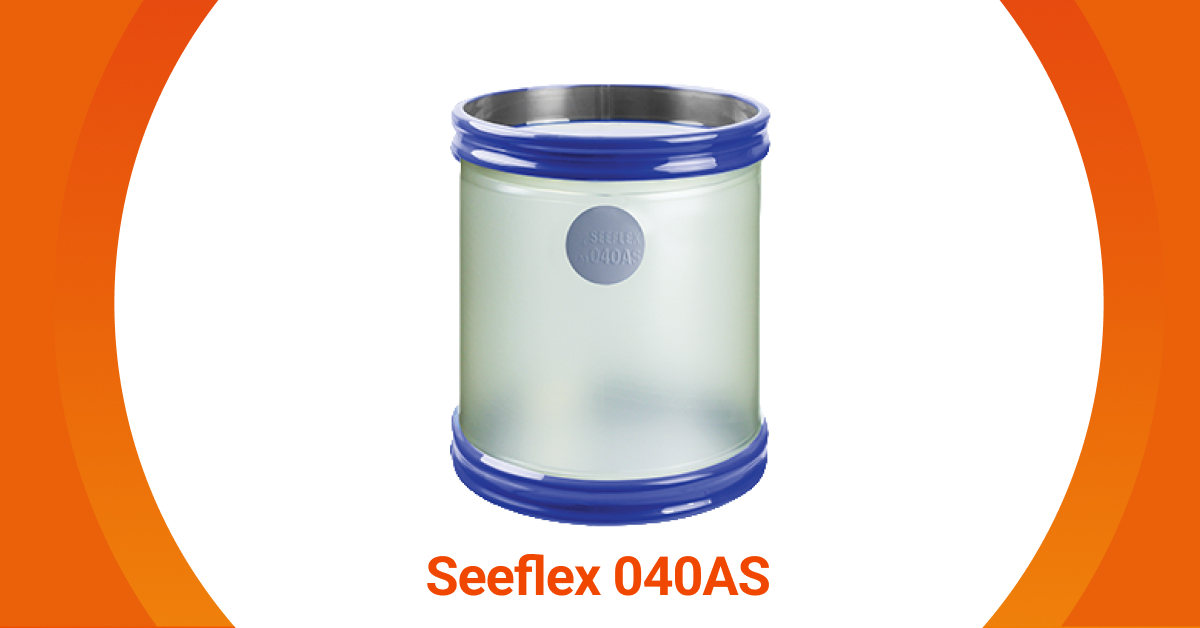
For battery powder, the Seeflex 040AS is the right spec. It’s anti-static by design and carries ATEX certification, which is what most safety teams need before approving a connector for hazardous material handling.
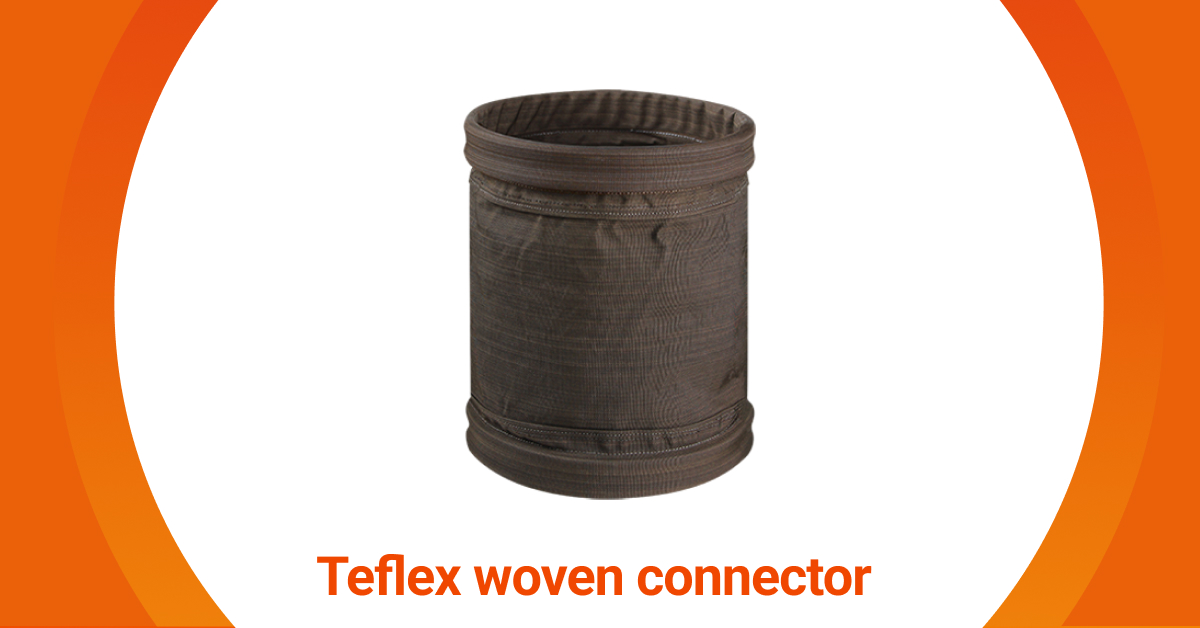
If your process runs above 110°C or involves aggressive chemicals, the Teflex woven connector handles continuous temperatures up to 260°C and won’t degrade where standard materials would.
See how one lithium powder manufacturer eliminated product loss at the connection point with BFM® fittings.