

Nutraceutical Powder Processing: Hygiene and Contamination Control
In nutraceutical powder processing, the biggest cleanup challenge is not always inside the blender, screener, or filler.
It can be the flexible connection between them.
When a connector is difficult to remove, it can slow a changeover. If powder is left behind, it can create a concern before the next batch begins — especially when a line moves between different protein sources or allergen-containing ingredients.
For protein powder manufacturing and other powder supplement manufacturing applications, clean transfer points make it easier to maintain a consistent process from one run to the next.
Small Connections Can Create Big Cleanup Challenges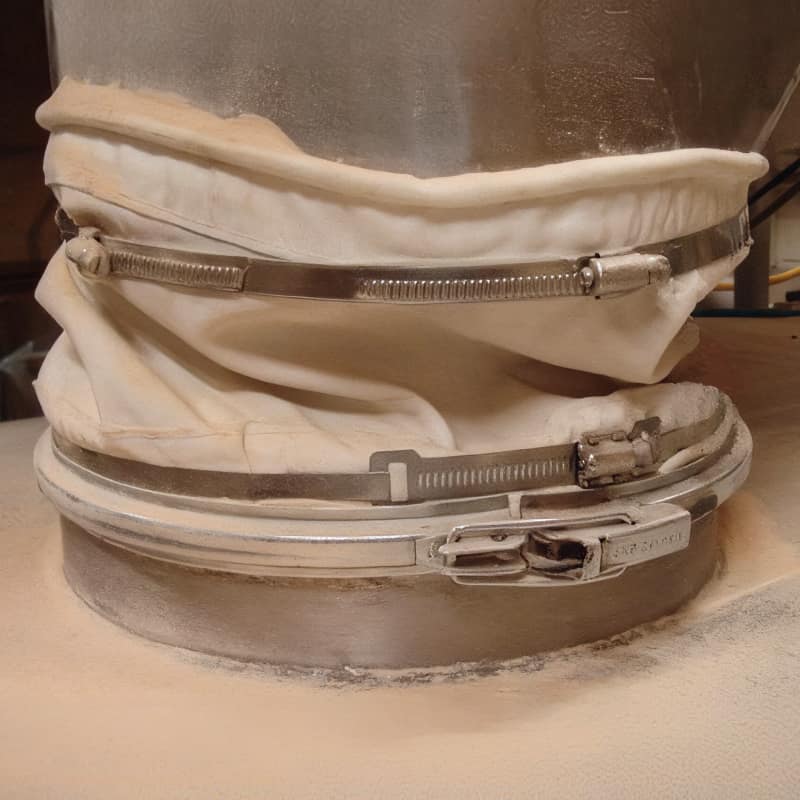
Powder has the potential to move through several pieces of equipment before it’s packaged. At each transfer point, a flexible connector has to contain that powder without slowing the line down.
Traditional flexible connectors often rely on hose clamps. Over time, the sleeve can become harder to remove, and the connection can become harder to thoroughly clean. Powder may settle around folds or where the sleeve meets the equipment.
This may not seem like a major issue on its own. But during a changeover, those small areas can take more time to inspect and clean. If the facility runs whey, soy, pea, egg, or other allergen-containing ingredients on shared equipment, even small amounts of residue at a transfer point can matter.
Why Connectors Matter During Changeovers
The goal of a changeover is not just to clean the blender or filling machine. The team also needs access to the places where product moves from one piece of equipment to the next.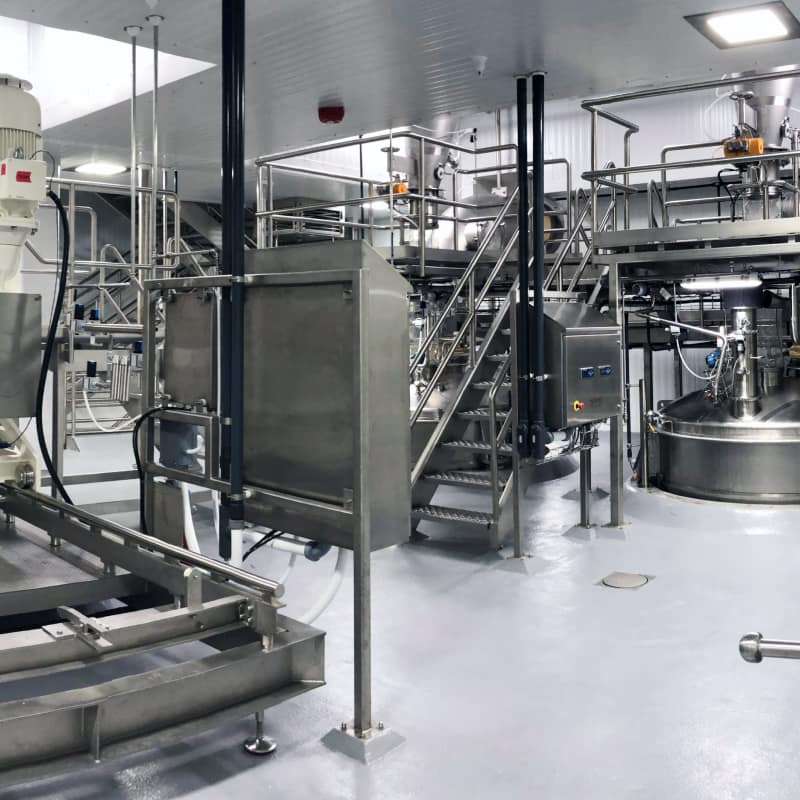
At those transfer points, a clamped sleeve can become a cleanup bottleneck. If it doesn’t come off easily, operators end up cleaning around the connection instead of the full product-contact area.
The less access operators have to the full connection, the harder it is to complete a consistent inspection before the next run.
This becomes especially important when one line handles multiple formulations of allergen-containing ingredients.
In that environment, easy access to every product-contact area matters. FDA dietary-supplement cGMP requirements call for equipment to be designed so it can be adequately cleaned and maintained without creating contamination risks. That includes the connections between major pieces of equipment—not only the blender, screener, or filler.
What to Look for in a Powder-Line Connection
When evaluating nutraceutical powder processing equipment, look for connectors that:
- Remove completely for cleaning and inspection, without tools or partial disassembly
- Keep the product path smooth, with no folds, creases, or ledges where powder can collect
- Reinstall the same way every time, with a consistent, repeatable fit
- Use a material suited to the product, cleaning method, and operating environment
How BFM® Fittings Support Cleaner Changeovers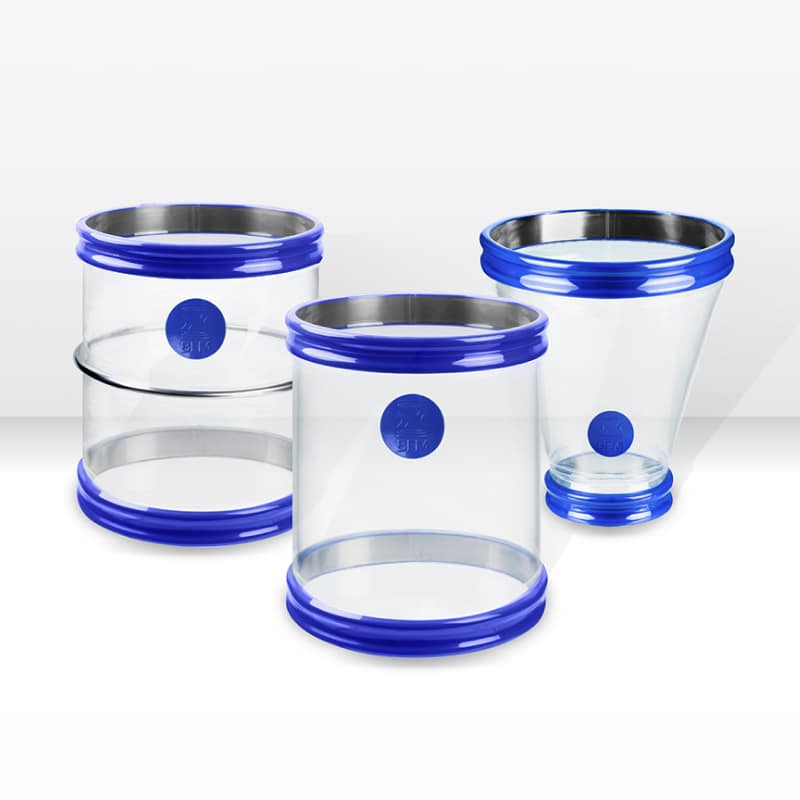
One way to make these transfer points easier to manage is to use a connector designed for complete removal and repeatable installation. BFM® fittings replace traditional clamped flexible connectors with a snap-in design. Instead of loosening hose clamps and working around the sleeve in place, operators remove the connector completely by hand.
This gives the team access to both the sleeve and the equipment connection during routine cleaning. Once it is clean, the connector snaps back into place.
Full Access During Cleaning
A standard BFM® connector can be removed and reinstalled in seconds — cutting the time teams spend handling sleeves during routine cleaning and changeovers.
For facilities using CIP, this access matters after the wash cycle too. BFM® recommends removing the connector and wiping both the connector and the inside of the spigot to clear residual cleaning fluid before putting the line back into production.
A Smoother, More Contained Transfer Point
The BFM® system creates a sealed connection between two specially formed spigots. Its smooth interior design gives powder fewer places to collect than traditional flexible connections that use clamps.
This keeps product in the line, cuts dust at equipment transitions, and makes the transfer point easier to inspect once the connector comes off.
A Simple Check Before Restarting the Line
The BLUEBAND™ on a BFM® connector gives operators a visual cue during installation. Before the line restarts, verify that the connector is seated properly by ensuring the band is hidden within the spigot and you see only the transparent part of the sleeve.
That visual check can be especially useful when multiple operators and shifts handle the same equipment.
Built for Nutraceutical Powder Processing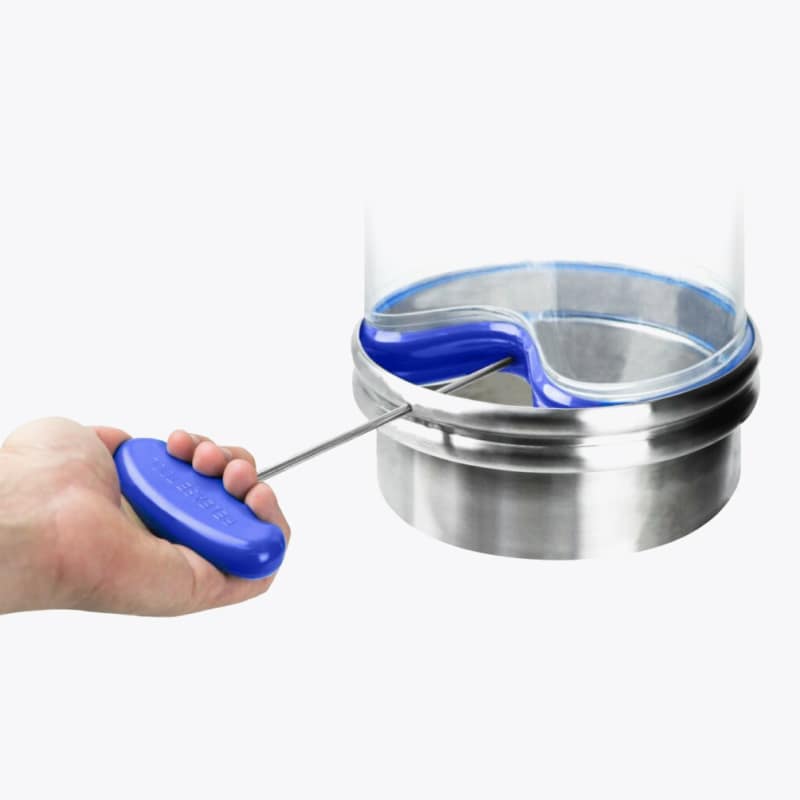
Seeflex 040E is a common BFM® connector material for food-grade powder jobs. Its clear construction lets operators see product flow, making visual checks easier during operation and cleaning. It’s also CIP-compatible.
These same features can also support pharmaceutical powder-handling applications where containment and cleanability are priorities.
A BFM® fitting is not a replacement for a complete sanitation program. It is a cleaner, easier-to-manage connection that can help reduce dust, improve access for cleaning and inspection, and make frequent changeovers less complicated.
Take a Closer Look at Your Transfer Points
If changeovers are taking more time than they should, or your team handles multiple protein sources on the same line, start with the connections between your equipment.
Small transfer points can have a meaningful effect on cleaning time, powder containment, and confidence that the line is ready for the next run.
Talk to a BFM-certified expert at PSI about your nutraceutical processing line.
Contact Us
Let’s get connected
Ready to discuss your unique BFM® fitting application? Contact us for a solution.
Contact Us