

Bulk Bag Filling: How To Prevent Contamination
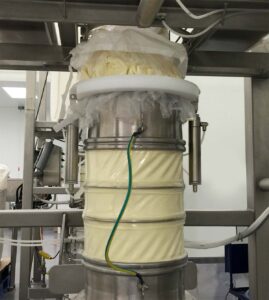 When you’re filling bulk bags, the area around the connection point can make or break your hygiene program. A small leak, a loose fit, or a bit of dust in the air can create more cleanup than expected. Keeping this step controlled is essential for preventing contamination and avoiding unnecessary downtime.
This blog breaks down the most common contamination points at the fill station and shows simple ways to tighten control, reduce dust, and support cleaner changeovers.
Why Bulk Bag Filling Is a High-Risk Step
Bulk bag filling puts a lot of pressure on one small area: the connection between your equipment and the bag. Bags go on and off, equipment moves slightly during operation, and the connection gets handled again and again throughout the day.
Two issues drive most hygiene problems here:
- Small gaps at the transfer point, where powder can escape
- Dust in the air, which settles on surfaces and creates extra cleaning work
Once dust starts collecting around the fill station, it spreads quickly. Cleanup takes longer, inspections take longer, and changeovers become harder to keep clean — especially in food safety powder processing.
Common Contamination Sources
Most contamination during filling bulk bags traces back to the same few trouble spots. They all come back to one thing: the fill connection isn’t staying sealed in real operating conditions.
Worn or misaligned spouts
If the spigot isn’t sitting squarely, the seal won’t stay consistent. Even small vibration or frame movement can open a gap, and dust starts showing up around the connection. Over time, that residue builds on the equipment near the fill point.
Good measurement and the right connector length make a big difference here. A connection that fits correctly stays steadier and is easier to keep clean.
Poor connector seals
Clamped or worn flexible connections can loosen over time, especially with repeated use and cleaning. When the fit isn’t tight, powder slips out around the edges. You might not notice it immediately, but the area around the fill station starts collecting dust.
That dust leads to more wiping, more checks, and more handling during changeovers. All of that increases contamination risk.
Allergen and cross-contact risks
Dust that leaves the connection point doesn’t stay in one place. It clings to frames, platforms, and nearby surfaces. In facilities running multiple products, that residue becomes a bigger issue during changeovers.
Keeping the connection sealed limits how far powder spreads and helps the fill area stay more controlled from run to run.
How To Improve Hygiene in Bulk Bag Filling
Most improvements start with one practical step: look closely at the connection and how the seal holds during normal operation.
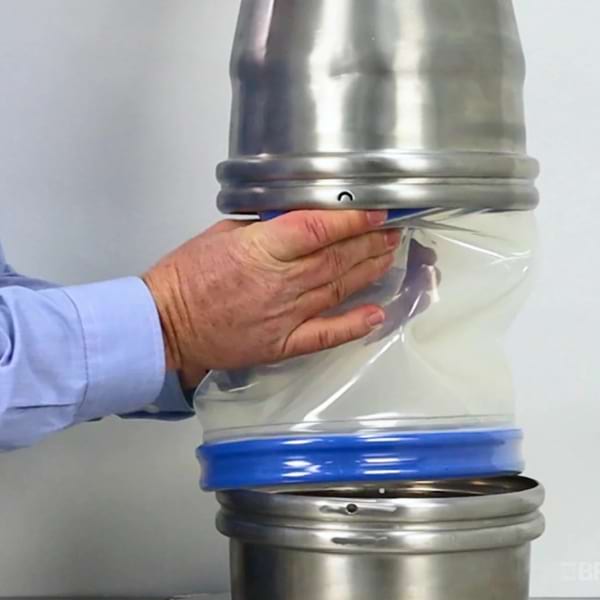
Using sealed, snap-in connectors
BFM® fittings are designed to create a 100% sealed connection. They use a snap-in, tool-free design, and standardized sizing can help simplify changeovers. A better seal at the transition point helps reduce dust leakage and keeps the fill station cleaner.
Proper spigot alignment
Even a good connector needs the basics in place. Check spigot alignment, account for movement during operation, and confirm the connector length is correct for the setup. When those details are right, the seal stays more consistent, and wear tends to show up more slowly.
Cleaning and inspection routines
Cleaning routines work best when the connection is easy to access. If removing and reinstalling the connection is a hassle, inspections get delayed and cleaning gets rushed.
Simple access supports more consistent cleaning and makes changeovers easier to manage.
Designing a Cleaner Bulk Bag Filling Station
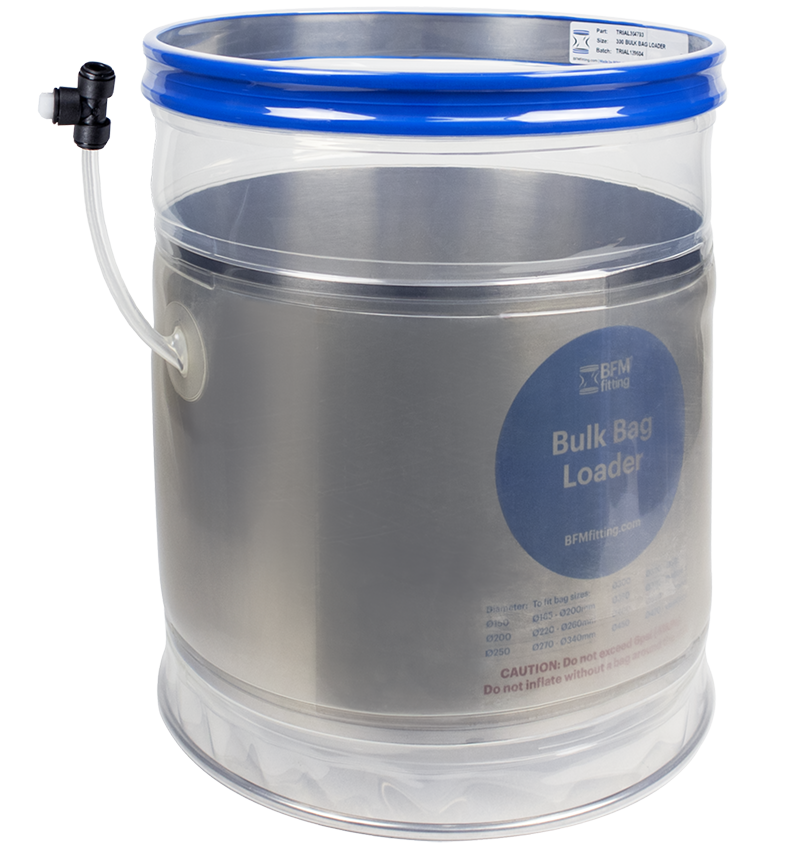
A cleaner fill station comes from two priorities: keep powder contained and make the area easy to maintain.
Airflow and dust control
Dust collection helps manage what’s already airborne. The bigger win is reducing how much dust escapes in the first place. A sealed connection at the transition point reduces the dust load around the station and cuts down on cleanup.
Material selection for food and pharma
Connector materials should match your operating temperature, abrasion levels, and cleaning needs. BFM® fittings are available in materials suited for food and pharmaceutical manufacturing, so you can match the connector to the demands of the process.
See How Food Manufacturers Improved Hygiene & Reduced Downtime
A quick walk‑through at the fill station can reveal a lot. Look for dust around the connection point, residue on nearby surfaces, and any adjustments operators make to keep the fit tight. These small signs often show where containment is starting to slip.
Strengthening the seal at this stage helps keep the filling area cleaner and supports smoother, more predictable changeovers. If you want a clearer picture of what’s happening at your fill point, PSI can help evaluate connection fit, sizing, and sealed connector options that align with your hygiene goals.